

Thinking Outside the Box: All About Box-Pressed Cigars

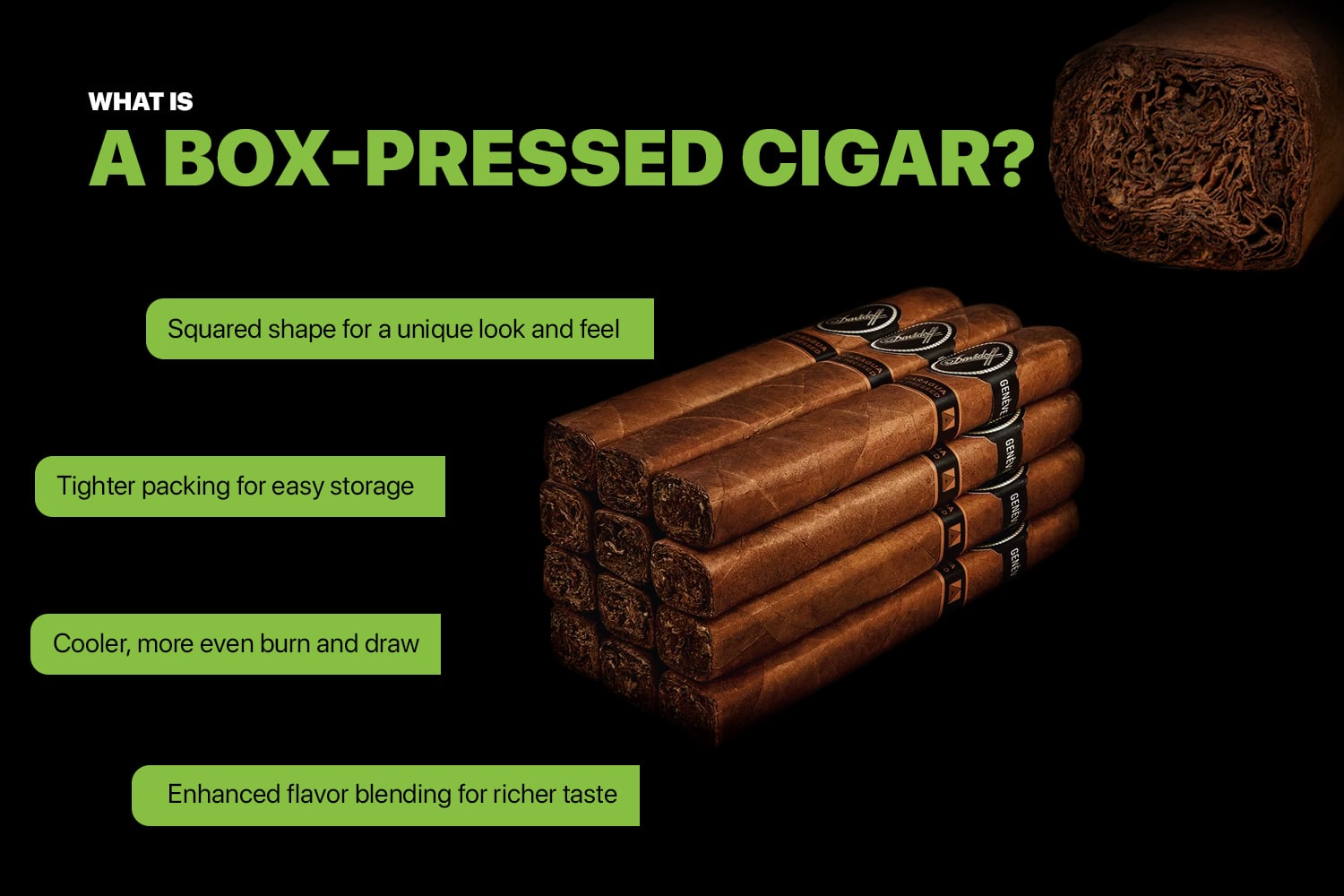
There are many different styles of cigars available today. Box-pressed cigars are one variety that’s rising in popularity. They come complete with squared edges and a firm construction. This immediately sets them apart from more common, round cigars.
But their appeal goes much further than appearance. Boutique brands have been reviving box cigars in recent years. Many smokers claim they provide a cooler, more even draw, and feel more unique to hold. For many aficionados, they’ve become a firm favorite, above any other type of cigar.
In this article, we’ll take a deep dive into box-pressed cigars. We’ll explore what they are, how they’re made, and why they’re so renowned. We’ll also examine whether or not they’re right for you.
What is a Box-Pressed Cigar?
At its simplest, a box-pressed cigar is one that has been pressed into a square shape. This is, of course, different to its traditional rounded form.
Instead of being perfectly cylindrical, the sides are flattened. This gives the cigar a “boxy” appearance. Depending on the manufacturer, the shape may be sharply square with distinct corners. Or, it may be slightly rounded. This makes it look like a rectangle that’s been softened at the edges.
Box-pressed cigars also go by other names:
- Square-pressed (when the edges are sharp)
- Rectangular-pressed (slightly more elongated shape)
- Trunk-pressed (a softer, rounded version of box-pressing)
While they may look unusual at first, box-pressed cigars are rooted in cigar tradition.
But, the style isn’t just an aesthetic choice. It serves a functional purpose, too. The square press changes the way the cigar smokes and feels, plus how it fits in a box. To understand why, it’s helpful to look at how the pressing is actually done:
The Pressing Process
The pressing process begins after the cigar is rolled but before it is packaged. Traditionally, cigars are round because they’re rolled and then left to rest in that shape.
For box-pressed cigars, however, the freshly rolled sticks are placed in molds. These are designed to compress them on each of the four sides.
Over time, the pressure reshapes the cigar from round to square. Once removed from the press, the cigar retains this shape.
The amount of pressure and duration of pressing can vary. This leads to differences between brands. Some on the market will look very sharp-edged, while others are more gently pressed.
There are actually two distinct ways this is done, and the difference shows in the final shape:
- Box-pressing is the more common method. Cigars are rolled round, packed tightly into their boxes, and the full boxes are then placed under a press. As the space between the cigars closes up, they square off against each other and the sides of the box. The result is a pressed look with slightly soft edges.
- Trunk-pressing presses each cigar individually. Every stick is clamped between wooden slats and rotated so all four sides get equal pressure, anywhere from about 30 minutes to several hours. It takes more time and skill, and the wrapper can split if it's rushed, but it produces the sharpest, most precise 90-degree corners.
A Brief History of Box-Pressed Cigars
Rest assured, box pressing is not a new technique. Some of the earliest known uses date back to Cuba in the early 20th century.
Cigars would be packed tightly into boxes and took on a squared shape from the pressure of storage. Manufacturers soon realized that pressing actually improves burn and draw consistency.
Over time, Cuban artisans refined the pressing technique. They started experimenting with pressure levels and mold designs. This helped improve the smoking experience. But, equally important, it also allowed for more consistent packaging in boxes. By the mid-20th century, box-pressed cigars had become a mark of craftsmanship.
The style became increasingly popular in the 1990s. Brands like Padron revived the technique for their anniversary series. Since then, other major brands have embraced the format. This promoted box-pressed cigars as a modern premium option. Today, nearly every major cigar maker has at least one box-pressed line.
Benefits of Box-Pressed Cigars
So what are the actual benefits of box-pressed cigars? And why are more and more people choosing to smoke them today? The benefits of box-pressed cigars are numerous, and they go way beyond looks:
Improved Uniformity
Pressing ensures that the filler tobaccos inside are distributed more evenly. This creates a consistent density. This helps prevent issues like uneven burns or tight draws. Smokers also experience fewer frustrations with tunneling.
Better Draw and Burn
Many smokers find that box-pressed cigars burn cooler and slower. This allows them to savor the cigar flavors for longer. The squared shape also reduces the likelihood of uneven burning. This is also known as “canoeing.”
There's a physical reason a box-pressed cigar can draw cooler. Because the shape is square, your lips can't seal fully around it the way they do on a round cigar. That means you pull a little cool outside air in alongside the smoke on each draw, which brings the temperature down and can make the smoke feel smoother.
Flavor Concentration
Because of the compression, tobaccos interact differently during combustion. Some aficionados believe this enhances the blending of flavors. This creates a richer, more complex profile. The Padron 1964 Anniversary Maduro, for instance, is known for its harmony of flavors. This includes cocoa, spice, and earthy sweetness.
Ergonomic Shape
A box-pressed cigar sits differently in the hand and mouth. Some smokers find the flat edges more comfortable to hold between their fingers or teeth.
Packaging and Shipping
Practicality also plays a role. The square shape allows for tighter, more efficient packing in boxes. Historically, this made shipping easier and the cigars less prone to damage. Even today, box-pressed cigars line up neatly in humidors and travel cases. This makes them the ideal practical choice for collectors.
How to Cut a Box-Pressed Cigar
Cutting a box-pressed cigar is slightly different from cutting a round one. Here’s how to do it properly:
Choose Your Tool
A straight guillotine cutter works best. Its wide opening accommodates the flat shape.
A V-cutter can work too, creating a deep channel for airflow.
Punch cutters are trickier on a box-pressed cigar, since they're designed for round caps and the flat surface can crack under too much pressure. Some smokers still prefer a punch on larger ring gauges, so if you use one, go gently.
Locate the Cap
As with any cigar, identify the cap line. This is the small circular piece of wrapper leaf applied to seal the head. Cutting below it risks unraveling.
Position the Cutter
Place the cigar squarely into the cutter’s opening. Because of the shape, make sure both flat sides sit evenly against the blades.
Make a Clean Cut
In one swift motion, clip about 1/8 to 1/4 inch off the cap. A decisive cut reduces the risk of tearing.
Test the Draw
Before lighting, take a cold draw. If airflow feels too restricted, carefully trim a bit more. But always do this in small increments.
Box-Pressed Cigars vs Traditional Cigars
Box-pressed cigars and traditional round cigars continue to spark debate, especially among long-time aficionados. Both styles deliver enjoyable smoking experiences. But the differences might be more significant than you might think:
Smoking Experience
- Box-Pressed: These are prized for their slow, cool burn and smooth draw. Many smokers find that flavors from different tobaccos seem to meld together. They claim this is better in a box-pressed format. This makes them especially appealing for rich and complex blends. For instance, the Oliva Serie V Melanio Torpedo. This cigar is renowned for its depth of flavor. Delivering chocolate, coffee, and spice in perfect balance.
- Traditional Cigars: Round cigars often deliver a slightly looser draw. This makes it easier for beginners. Their burn may be less even, especially in poorly rolled examples.But, they maintain the classic feel and flavor delivery. A round cigar like the Cohiba Robustos exemplifies this. It offers a traditional experience that's both smooth and reliable.
Ease of Storage
- Box-Pressed: Their squared edges mean they line up neatly in humidors and travel cases. This makes them practical for collectors with limited space. Some enthusiasts say that the stacking also reduces the number of pressure points. This is great in helping the cigars maintain their shape over time.
- Traditional: Round cigars take up more space. They can roll around unless carefully arranged. But, for many smokers, this is simply part of the classic charm.
Visual Appeal
- Box-Pressed: These cigars have sharp edges and a chocolate-bar appearance. There’s no denying box-pressed cigars stand out visually. They’re a marker of modernity and premium craftsmanship. Box-pressed cigars are often associated with anniversary or special edition lines.
- Traditional: Round cigars remain iconic and are immediately recognizable as “the classic cigar.” For traditional smokers, nothing beats the look of a smooth, round cigar.
Pros and Cons
| Type | Pros | Cons |
| Box-Pressed | - More even burn and draw consistency - Unique look and feel - Space-saving for storage | - Can be harder for beginners to cut properly - Wrappers are sometimes more prone to cracking under pressure |
| Traditional | - Easier to handle for novices - Universally available across all price ranges - Classic appeal | - Can burn unevenly if not expertly rolled - Less efficient in terms of storage |
Is a Box-Pressed Cigar Right for You?
So, should you try a box-pressed cigar? The answer depends on your preferences and what you hope to get from your smoking experience. Here are some key considerations:
Your Experience Level
If you’re just starting out, traditional round cigars may be easier to handle at first. They’re simpler to cut, and their more forgiving draw can help you build confidence. Try to get comfortable, especially as you start to learn. Eventually, stepping into the world of box-pressed cigars can elevate your enjoyment.
Flavor Preferences
Box-pressed cigars often highlight the blending skills of the roller. Perhaps you appreciate layered flavors like earthy espresso with hints of cedar and spice. In this case, a box-pressed cigar may suit you.
For example, the Davidoff Nicaragua Toro Box Pressed. These cigars offer a depth of earth and coffee notes. They seem more pronounced in its pressed format. Compare this with a round stick like the Montecristo No. 2. Here, flavors arrive in distinct waves rather than harmonized blends.
Aesthetic and Feel
Some smokers simply enjoy the way a box-pressed cigar feels in the hand and mouth. The flat edges change how you grip the cigar and help prevent it from rolling off tables. This is great for social occasions. Others, however, find the squared shape less natural compared to the round.
Storage and Practicality
If you don’t have much humidor space, box-pressed cigars are a good solution. They’re also great for enthusiasts who like to travel. These pressed sticks fit securely in travel cases.
The Best Way to Decide
Ultimately, the best way to know if a box-pressed cigar is right for you is to smoke one. Try purchasing both a round and box-pressed cigar from the same brand.
Padron and Rocky Patel both offer lines where you can directly compare the two. Smoke them side by side and note the differences in burn and flavor. This direct comparison will help you make an informed decision.
Tips for Enjoying Box-Pressed Cigars
If you decide to explore box-pressed cigars, here are a few pro tips to maximize your enjoyment:
Handle with Care
The flattened edges can sometimes make wrappers slightly more delicate. Always handle gently, especially when removing from cellophane. You should also take care when placing it inside the humidor.
Cut Conservatively
Start with a shallow cut. Because of the compressed shape, box-pressed cigars sometimes draw more easily than expected. You can always trim more if needed.
Mind Your Lighting Technique
Take your time when lighting. Rotate the square edges carefully. This ensures an even burn across the flattened surface. This patience pays off with a balanced smoke.
Pair Thoughtfully
Box-pressed cigars are often full-bodied and complex. This makes them ideal companions for rich drinks like bourbon or espresso.
Bottom Line
Box-pressed cigars offer smokers a cooler burn and more harmonised flavors in a square shape. They’re not necessarily better or worse than round cigars, just different.
Each style has its own appeal. For many aficionados, box-pressed cigars are a refreshing way to enjoy familiar blends. On the other hand, others prefer the timeless feel of classic rounds.
Are you ready to explore box-pressed cigars? Swiss Cuban Cigars offers a wide selection of authentic, premium options. Browse our collection today. You’ll soon discover why this shape has become a favorite worldwide.
Frequently Asked Questions
What is a Box-Pressed Cigar?
A box-pressed cigar is one that's been pressed into a square or rectangular shape instead of the usual round form. The flat sides come from compressing the cigar in a mold or box after rolling. Smokers often choose them for a cooler, slower draw and a distinctive look and feel.
Are Box-Pressed Cigars Better Than Round Cigars?
Neither is better, they're different. Box-pressed cigars are prized for an even, cooler draw and a shape that stacks neatly, while round cigars offer the classic feel and a slightly more forgiving draw for beginners. The best choice comes down to personal taste, and the honest way to decide is to smoke the same blend in both shapes.
Why Are Some Cigars Box-Pressed?
There are a few reasons. Pressing distributes the filler more evenly, which can give a more consistent burn. It packs more efficiently in a box and stops cigars rolling around. And many smokers simply prefer how the shape draws and feels. The style began in Cuba, partly from cigars taking on a squared shape under the pressure of tight packing.
Do Box-Pressed Cigars Smoke Differently?
Many smokers say yes. The even density from pressing can give a slower, cooler burn, and because your lips can't seal fully around a square cigar, you draw in a little cool air that smooths the smoke. How much difference you notice depends on the blend and how well the cigar is made.
How Do You Cut a Box-Pressed Cigar?
A straight guillotine cutter is the usual choice, since its wide opening fits the flat shape, and a V-cutter works well too. Find the cap line, seat both flat sides evenly against the blade, and clip about 1/8 to 1/4 inch in one clean motion. Start conservatively, you can always trim more.
Oct 05, 2026
Last Modified: Oct 05, 2026

Table of Contents


