

Sep 14, 2022
Last Modified: Oct 26, 2026
Table of Contents
- What Does it Mean to Age a Cigar?
- What Does Age Mean for a Cuban Cigar?
- Is Cigar Aging Important?
- How to Age Cigars: Tips and Techniques
- How Long Should You Age Cigars?
- Are Aged Cigars Better?
- Not All Cigars Age the Same: Which Cigars Are Best for Aging?
- Where Can I Buy Cigars to Age?
- Cigar Aging FAQs
Cigar lovers often say that cigars get far better with age. As with wine, time is believed to smooth out rough edges. In the right cigar, harsh notes can soften, and the blend can become more balanced. But is that really true? Do cigars get better with age?
Yes, sometimes. Cigars can improve with age. But it depends on a few key factors: the quality of the cigar, how it’s stored, and your personal taste.
Aging is a slow process. Once a cigar is rolled and boxed, its tobaccos continue to settle and develop under stable storage conditions. Over time, harshness fades, and subtle notes become more noticeable. But if stored improperly, cigars can lose flavor. Or worse, they can develop mold.
Some cigars are ready to smoke right out of the box. Others may benefit from months, even years, of rest. Knowing the difference can save you time, money, and disappointment.
The bigger question is not simply how old a cigar is. What matters is whether that cigar has room to improve, whether it has been stored correctly, and whether you prefer the way its profile changes with time.
What Does it Mean to Age a Cigar?
Aging a cigar means letting it rest over time in proper conditions. The goal is to improve its flavor, aroma, and overall smoking experience.
Storage keeps a cigar under controlled conditions. Aging is what can happen over time when a suitable cigar is stored well. Simply leaving a cigar somewhere for years does not mean it has aged properly.
During aging, cigars go through chemical and physical changes. The tobacco continues to ferment slowly. Oils in the leaves settle, and the flavors become smoother and more balanced. Ammonia and other sharp compounds also break down.
Before a Habano is rolled, its leaves already pass through curing, fermentation, and aging. These are separate stages. Depending on the leaf, part of that pre-rolling aging can last for years.
Finished-cigar aging begins after the filler, binder, and wrapper have been brought together. Over time, the blend can become more integrated and some sharper characteristics may fade. This can make a good cigar taste more balanced, but age cannot fix poor tobacco, weak construction, or bad storage.
What Does Age Mean for a Cuban Cigar?
For Cuban cigars, it helps to separate tobacco age from box age. Tobacco age refers to the time the leaves spend curing, fermenting, and aging before they are rolled. Box age refers to the finished Habanos after they are made and packed.
Habanos boxes made since 2000 carry a month and year stamp on the bottom. That box date is the best starting point when you want to know how old a Cuban cigar really is. A cigar bought this year may already have several years of box age behind it.
Reserva and Gran Reserva are different again. Those terms refer to Habanos made with tobacco leaves that received extra aging before rolling. They should not be confused with the number of years a finished cigar has spent in its box.
Is Cigar Aging Important?
To understand how aging affects cigars and whether it’s worth the wait, check out our video:
How to Age Cigars: Tips and Techniques
The best way to find out whether a cigar improves with age is to compare the same cigar at different points in time.
After delivery, give the cigars time to settle under stable humidor conditions before using one as your baseline. Shipping can expose a box to changes in temperature and humidity, and there is no fixed rule that every cigar will be ready after only one or two days.
In order to successfully age your cigars at home, you must:
- Own a functional humidor with a good seal.
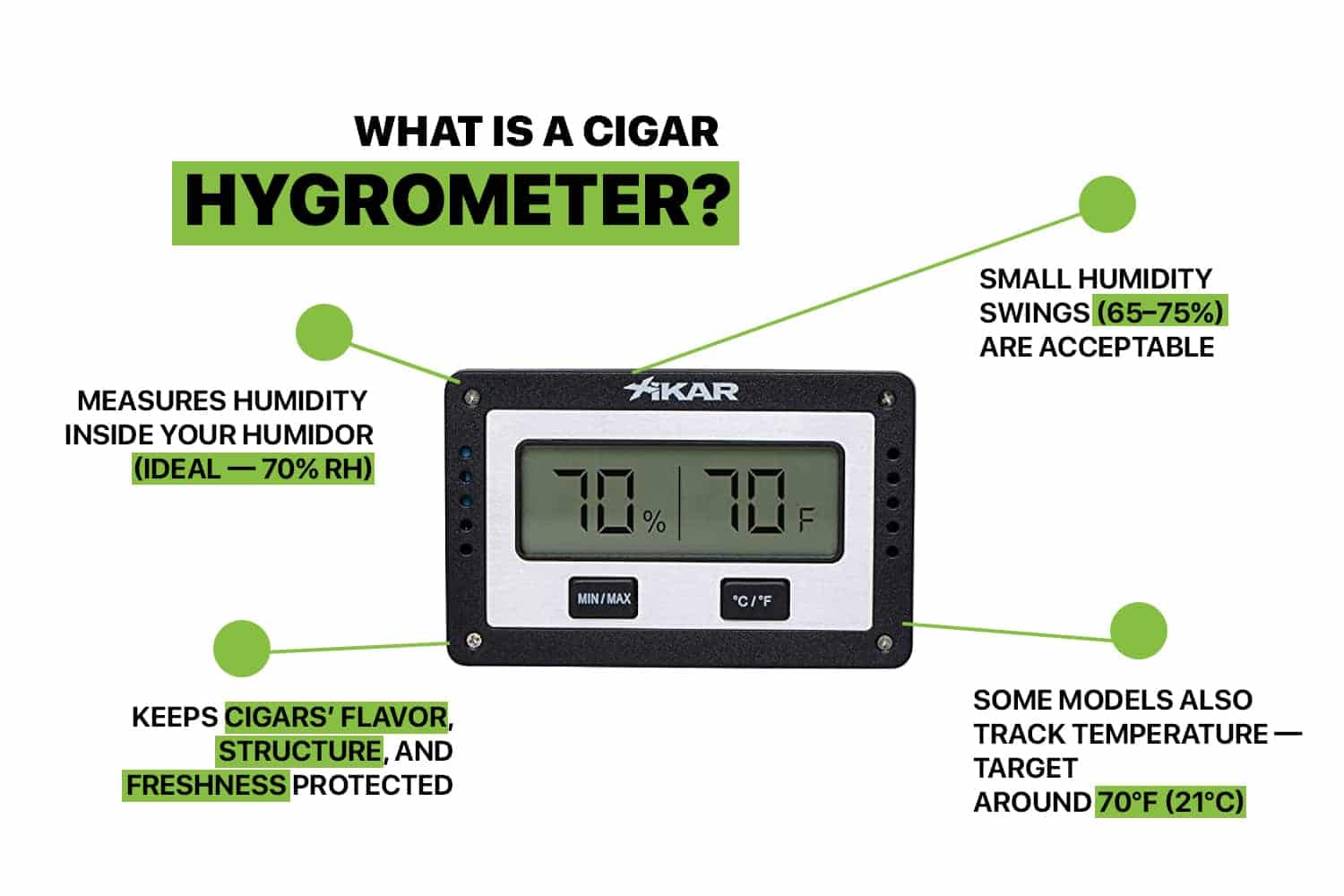
- Own an accurate, calibrated hygrometer.
- Keep humidity stable around 65–70% RH.
- Keep temperature stable around 61–64°F.
- Avoid opening the humidor too often.
- Keep flavored cigars separate from traditional cigars.
- Have patience!
Once those conditions are stable, you can compare how the same cigar changes over time.
Step 1: Purchase a box or pack of cigars. The amount you buy will affect the length of aging you can test.
Step 2: Find a tasting card, or make your own. A tasting card is a way to record your cigar experiences. It includes details about the cigar, experience, flavors, burn, and an overall rating. This will help you keep track of the effects of cigar aging and compare results. Use the same tasting method each time so your notes are easier to compare.
Step 3: Once the cigars have settled after delivery, smoke one as your baseline. Take note of the strength, flavors, and anything notable to you. Rate it if you feel it necessary.
Step 4: Wait. It’s time to stash the rest of your cigars and maintain your humidor in the meantime.
Step 5: After waiting for at least a month, you may smoke and review another. Take your time smoking, enjoy the smoking experience, and fill out the form again. Afterwards, compare the forms and see how your experience differed.
Step 6: Repeat the process of aging and comparing. After a year of aging, you will very likely find that the cigars are more smooth, creamy, and flavorful.
Step 7: Take note when any flavors drop off. You may have found the limit to aging this particular cigar.
Additional Tips and Insights
To make your aging experiment more useful, keep detailed notes on each cigar’s aroma. You should also take note of burn quality, draw, and any changes you notice over time. A cigar can become smoother without becoming more flavorful, so your notes should help you decide whether the change is actually better for your taste.
Remember that the environment inside your humidor must be stable. Sudden humidity or temperature swings can damage cigars and undo aging progress. When aging cigars in a humidor, avoid opening it too often, as this causes fluctuations. A well-maintained humidor gives finished cigars a controlled environment in which they can age gradually.
If you’re new to aging cigars, start with smaller quantities to avoid wasting cigars. Also, try aging different brands or blends side by side. This will help you to see which profiles benefit most from time. Some cigars show noticeable changes within months, and others can develop for years. Revisit your tasting notes to find the age you prefer rather than chasing one universal "sweet spot."

How Long Should You Age Cigars?
How long you should age a cigar depends on the cigar itself and your taste.
Some cigars improve after just a few months. Others take years to reach their peak. Aging can be short-term or long-term, and both have different effects.
- Short-term aging (6 months to 1 year): Some cigars may lose rough or sharp notes and taste more settled. The change can be subtle, especially if the cigar was already well rested before purchase.
- Medium to long-term aging (2 to 5 years): Age-worthy cigars may become more integrated and mellow. This does not mean every cigar becomes more complex.
- Very long-term aging (5 years and beyond): Some Cuban cigars can continue to develop for many years. Others may gradually lose strength, aroma, or definition, so longer is not automatically better.
There is no single official peak age for every Habano. Habanos notes that some smokers consider five years enough for the benefits of finished-cigar aging to become noticeable, while others prefer 10 years or more. Habanos also states that its cigars can be kept for around 15 years, sometimes longer, when stored under the right conditions.
Its Vintage concept uses at least five years of aging for finished cigars as a benchmark, but that should not be treated as a rule that every Cuban cigar needs five years before it is worth smoking.
Each blend can have its own preferred aging window, and your palate decides whether a mellower cigar is actually an improvement.
If you age too long, even great cigars can lose their character. Watch for fading aroma, muted flavor, or a loss of the character you enjoyed in earlier samples.
Are Aged Cigars Better?
Aged cigars can be better, but not always. With proper storage, some cigars become smoother, more balanced, and more refined over time. Harsh notes soften, and the flavors begin to blend together.
But age alone does not improve every cigar. Well-made cigars with enough depth and intensity often have more room to evolve, but body alone does not determine aging potential. In the end, it depends on the cigar, how it’s stored, and your personal taste.
Not All Cigars Age the Same: Which Cigars Are Best for Aging?

Not every cigar gets better with age. Some are made to be smoked fresh. Others can transform beautifully over time.
Full-Bodied Cigars
Full-bodied cigars often have enough intensity to remain expressive as they mellow, but strength alone does not decide aging potential. Tobacco quality, balance, construction, and storage matter too. They have strong flavors and rich tobacco. With time, they mellow and develop complexity. Bolivar Belicosos Finos, Partagás Lusitanias, and Montecristo No. 2 are useful examples to compare at different box ages because each has a distinct profile that makes changes easier to track.
Cohiba Cigars
Cohiba is a useful brand for an aging comparison because its tobacco receives distinctive processing before rolling. Habanos states that two of the filler leaf types used for Cohiba receive an extra fermentation. That does not mean every Cohiba has the same ideal age.
If you are aging Cohiba Robusto, Siglo I, Siglo II, Medio Siglo, or Cohiba Exquisitos, use the box date and taste at intervals rather than assuming that more years will always produce a better cigar.
Montecristo Cuban Cigars
Montecristo Edmundo, No. 2, No. 4, and No. 5 can all be compared at different ages, but there is no single year at which every Montecristo peaks. If you have several cigars from the same box, smoke them at intervals and use your notes to see when the balance suits you best.
Some Other Good Choices for Aging
Trinidad Reyes, Romeo y Julieta Wide Churchills, and Punch Punch cigars can also be used for the same type of aging experiment. Record the box date, store them under stable conditions, and compare samples over time instead of assigning one ideal age to the whole brand.
Lighter Cigars
Milder cigars, like some Hoyo de Monterrey blends, can still age, but the changes may be subtler. Very long aging can also mute some of the brightness or aroma you preferred when the cigar was younger. A lighter body does not automatically mean poor aging potential.
Bottom Line
Start with cigars that already have good construction, balance, and enough flavor to stay interesting as they mellow. Aging can refine a cigar, but it cannot repair weak tobacco, poor construction, or bad storage.
Where Can I Buy Cigars to Age?
Aging cigars can bring out rich, smooth flavors, but only if you start with the right cigars. Well-made Cuban cigars with depth and balance are strong candidates for an aging experiment, but no brand or blend is guaranteed to improve. Remember, aging is a slow process that requires proper storage and patience.
If you want to build your collection with cigars ideal for aging, it’s important to buy from a reputable source. Buying from a reputable source helps reduce the risk of counterfeit cigars or stock that has been handled poorly.
Cigar Aging FAQs
Do Cigars Get Better With Age?
Age can improve a cigar, but only when the cigar has the right qualities to begin with. Over time, sharper notes may soften and the blend can taste more settled. Some cigars benefit noticeably from this, while others are better enjoyed younger.
Can You Accelerate The Aging Process?
Trying to rush cigar aging usually does more harm than good. Extra heat or humidity can lead to burn issues, damaged wrappers, or mold. The safer approach is stable storage and patience. Dry-boxing can help with excess moisture before smoking, but it does not replace proper aging.
Should You Buy Cigars To Age Or Smoke Them Fresh?
A good way to decide is to do both. Smoke one cigar after the box has settled, then keep the others under proper storage conditions. Revisit them over the following months or years and compare your notes. This makes it easier to see whether the cigar actually improves for you.
Are Older Cigars Better Than Younger Cigars?
More years in storage do not automatically make a cigar better. A younger cigar may have more strength, brightness, or character, while an older one may feel smoother and more integrated. Much depends on how it was stored and what you prefer in the smoking experience.
How Can You Tell How Old A Cuban Cigar Is?
The box date is the place to start. Habanos boxes produced since 2000 carry a code showing the month and year the cigars were boxed. That gives you a much clearer idea of their age than the date you happened to buy them.